The Cr*p Drawer and Why I Went Solid Wood
Updated: Sep 1
Hello Toadstoolers!
Today we will be talking about the drawer of miscellaneous items. The drawer of 'essentials' because there is really no where else put them - or in other words 'The Crap Drawer'. Admit it, you have one too!
My crap drawer was housed in a chest of drawers I inherited from my mum when she moved house to save it from landfill. She'd bought it from Amazon a couple of years earlier.
My crap drawer is full of stuff like bags for life, pens with no lids, batteries (I'm not even sure if they are full or empty), copper pennies, receipts, random loose screws, rolls of mini sticky tape, an out of date box of tic-tacs because I refuse to waste them and the box may come in handy - the list goes on! Clearing it out is a voyage of discovery, only for it to return to it's rightful messy state a few weeks later. I try, I really do! I have learned to accept that I will always have a crap drawer.
One day, I was rummaging through the crap drawer for the super glue (yes, that lives in there too, much to the disdain of my husband) and I noticed the bottom of the drawer was bowing. It was my own fault. I'd stuffed it to the point of fullness that I had to adopt a whole routine to be able to open it. You know what I'm talking about. The lift, shimmy, lift shimmy, gently does it approach. I'd also noticed that from using the shimmy routine, I was loosening the drawer front and had to give it a smack every now and then to realign it.
So, out everything comes, and away I went on my DIY mission to fix it. The problem is, no matter what you do, eventually it will get to a point where you can't open the drawer anymore, and then it cracks, snaps or you end up pulling the front of the drawer off. I tried wood glue, braces, brackets, screws, nails - you name it, I tried it. It worked for a while but looked an absolute mess in the end, and it still wasn't fixed properly.
Sure, if I'd had put less stuff in it, and maybe done a better repair job, it wouldn't have got like that in the first place. But it did get me thinking. I went and checked other drawers in the house and noticed the same was starting to happen.
When I was doing the repairs to the crap drawer, I noticed how thin and flimsy the bottom of the drawer actually was. Which made no sense to me, because that's the section that takes all the weight!
It was made out of some really thin plywood, with a groove cut around the inner edges of the drawer for the bottom to just sit there. Not the best of designs for a piece of furniture that is most likely used daily and should be able to take a battering!

It was time for a new chest of drawers.
I started to think about what I needed my new chest of drawers to do. What it needed to look like and how I was intending to use it. I already owned a few pieces of solid wood furniture (inherited from my grandma) and it was just as functional now as it was when she'd bought when she was in her early twenties. It had seen her through her entire adult life, and was now seeing me through mine.
That was it. I'd decided. I was going to invest in a new solid wood chest of drawers.
So let's delve a little deeper into the benefits of upgrading your furniture to solid wood and why I decided to go handmade solid wood, rather than choosing something from my local Argos. You can find my collection of chests and drawers here.
Unique Character and Personal Touch
Not only does it need to look nice, it needs to be functional. Not just for the short term, but for many years to come.
What I didn't want to do is buy something that looked nice, but I'd end up having to replace it again a year down the line.
As you already know, for me, one of the biggest draws of handmade furniture is its uniqueness. Unlike factory-made pieces, each item is crafted by an actual person who puts skill, passion, and creativity into their work. This means no two pieces are exactly alike. When I bought a handmade wooden coffee table, I noticed the subtle variations in the wood grain and the careful joinery that machines simply can’t replicate.
This uniqueness adds personality to your home. Whether you prefer a rustic look or a cottagecore style, handmade furniture brings a sense of authenticity that mass-produced items lack. It’s like owning a piece of art that also serves a practical purpose.
Superior Quality and Durability
Handmade furniture demands higher-quality materials and traditional techniques that ensure durability. Artisans select solid wood and premium materials and take the time to build pieces that last for decades. I’ve seen and also own handmade chairs and cabinets that have been passed down through generations, still sturdy and beautiful - remember my grandma's rocking chair? Yep - That is now mine. I even lent it to my sister for a few years when she had her kids to use it for the nursery.

In contrast, many factory-made pieces rely on cheaper materials like plywood or veneers, which can wear out quickly. Investing in handmade furniture means you get a product that stands the test of time, saving money and waste in the long run.
Customisation to Fit Your Style and Space
Another benefit I appreciated was the ability to customise. When I worked with an artisan to create a rustic bookshelf, I could choose the wood type, finish, and size to perfectly fit my room. This level of personalisation is rare with mass-produced furniture, which often comes in standard sizes and limited styles.
Customisation lets you express your taste, whether you want a country-style cabinet with distressed paint or a sleek handmade desk with minimalist lines. It also means your furniture fits your space perfectly, avoiding awkward gaps or oversized pieces.
I do offer a customisation and bespoke service in my store. Just be aware the waiting time for your furniture to be delivered is much longer (obviously). Email me for info on my bespoke service at hello@thecosytoadstool.co.uk.

Supporting Local Artisans and Sustainable Practices
Buying handmade furniture means supporting artisans and small businesses. This was important to me because it felt good to contribute to a community of skilled craftspeople rather than large corporations. Many artisans use sustainable practices, sourcing wood responsibly and minimising waste. The majority of our pieces come from reclaimed wood, or obtained was 'waste product' from fruit based goods manufacturers. The rest comes from sustainable wood farming. The artisans and manufacturers we work with are B Corp Certified. (B Corp Certification is a third‑party verified designation from B Lab confirming that a company meets rigorous standards of social, environmental, and governance performance, including scoring 80+ on the B Impact Assessment and meeting legal accountability requirements). More to come on this on my upcoming sustainability post.
This approach aligns with the growing interest in eco-friendly living and my ethos of trying to reduce my part in sending things to landfill.
A nice double whammy to this is that handmade furniture typically has a smaller carbon footprint compared to mass-produced items that require large factories and long-distance shipping. Choosing handmade helps reduce environmental impact while promoting ethical craftsmanship.
Timeless Appeal That Complements Any Decor
Handmade furniture has a timeless quality that blends well with various interior styles. Whether your home leans toward a cosy country vibe, a refined rustic look, or the soft, nostalgic feel of cottagecore, artisan pieces fit right in. Their natural materials and thoughtful design create a warm atmosphere that feels inviting.
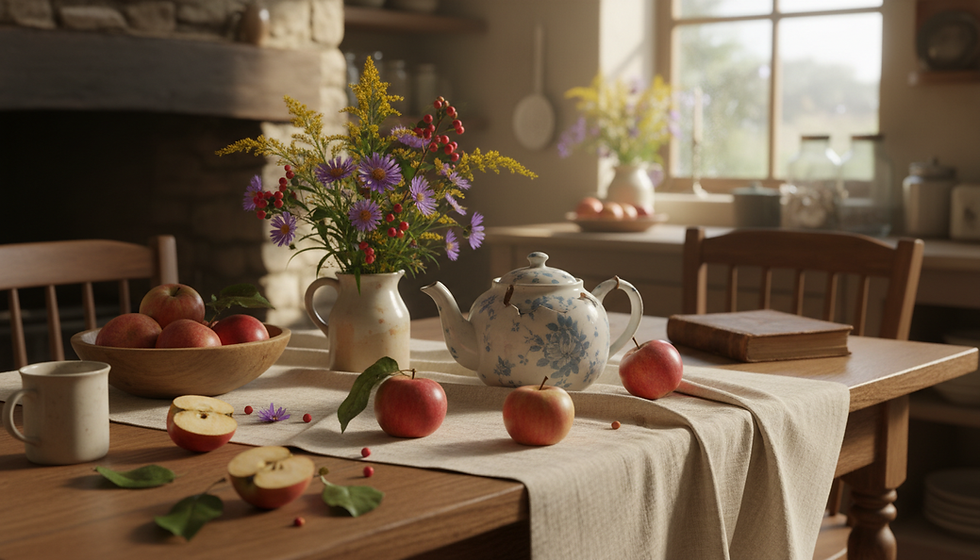
For example, a handmade farmhouse dining table can be the centrepiece of a country kitchen, while a delicate, hand-carved cabinet adds charm to a cottagecore-inspired living room. These pieces don’t just fill space; they enhance the overall mood and character of your home.
Final Thoughts on Choosing Handmade Furniture
So, my crap drawer is now happily housed in a solid wood chest of drawers and has been for the last few years. No sagging of the drawer bottom, no wobbly drawer front and best of all, the confidence that I can stuff even more into it without fear of it falling to pieces.
Choosing handmade furniture transformed my home into a space full of warmth, personality, and lasting quality. The artisan craftsmanship, customisation options, and sustainable values make these pieces stand out from mass-produced alternatives. If you want furniture that tells a story and fits your style perfectly, handmade is the way to go.
Investing in handmade furniture is not just about buying an item; it’s about creating a home filled with character and care.
Visit my shop and take a look around to find your perfect piece.


Comments